


Fibermaxxing:
When Your Colon Joins the Workout Plan
If you've spent any time on social media lately, you may have noticed a strange new form of bragging. People are proudly posting bowls of lentils, sprinkling chia seeds on everything, and celebrating their daily fiber totals like they just hit a new personal record. It's a trend called fibermaxxing.
Nothing says internet fame quite like a screenshot of your digestive strategy. The surprising part is that unlike many wellness fads, this one is built on solid science.
Fibermaxxing is exactly what it sounds like. Eat more fiber. While the name sounds extreme, most versions of the trend just encourage people to reach the fiber levels nutrition experts have recommended for decades.
Here's the numbers. Women between the ages of 18 and 50 should eat a minimum of 25 grams of fiber daily. Over 50 drops down to at least 21 grams a day. Men between the ages of 18 and 50 should eat a minimum of 38 grams of fiber daily. Over 50 drops down to at least 30 grams a day.
Most Americans are nowhere close. On average, people get only 10 to 15 grams per day, which means we are running our digestive system at roughly half capacity.
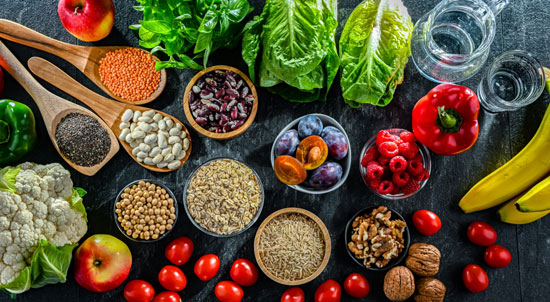
Fibermaxxing tries to close that gap by emphasizing high-fiber foods.
Large reviews have found that people who eat more fiber have lower risk of cardiovascular disease, type 2 diabetes, and colorectal cancer. One major analysis reported about a 15 to 30 percent reduction in all-cause and cardiovascular mortality in people with the highest fiber intakes compared with those eating the least.
The gut health story is just as compelling. Fiber is the primary fuel for the trillions of bacteria living in your gut. Think of your microbiome like a garden. When you feed it fiber, beneficial species grow and crowd out the troublemakers. When your diet is low in fiber, less helpful microbes tend to take over.
As those bacteria ferment fiber, they produce short-chain fatty acids such as butyrate and propionate. These compounds help regulate inflammation, support colon health, and may influence disease risk in ways scientists are still mapping out. Your gut microbes have loved fiber for a long time, even if social media only discovered it recently.
Fiber also slows digestion, boosts fullness, and helps steady blood sugar swings. That combination often reduces overall calorie intake without requiring extreme willpower, which is one reason higher fiber intake is linked with easier weight management.
However, more is not always better. The “maxxing” part of fibermaxxing can cause problems if people take it as a dare. Most of the research showing health benefits comes from people getting into the recommended range, not from people pushing to extremes.
There can be problems just going from 12 grams per day to 30 overnight. Your gut will complain. Gas, bloating, and cramping are common when fiber increases too quickly, and for some people that is uncomfortable enough that they quit before the benefits show up. Increase gradually and give your gut bacteria time to adjust.
If you are eyeing fiber supplements, think of them as backup singers rather than the main act. Supplements like psyllium can help you close small gaps, but the biggest benefits show up when your fiber comes from whole foods. Beans, vegetables, fruits, whole grains, nuts, and seeds bring fiber along with vitamins, minerals, antioxidants, and thousands of other useful compounds that do not fit into a scoop.
How to fibermaxx the smart way.
Increase slowly. If you are around 10 to 15 grams per day now, add roughly 5 grams per day each week until you reach your target.
Drink more water. Fiber absorbs fluid, and without enough water you can trade one digestive problem for another.
Spread fiber across meals. Have fruit or oats at breakfast, beans or lentils at lunch, vegetables and whole grains at dinner, and nuts or seeds as snacks instead of trying to hit your entire total in one giant “gut bomb” meal.
Fiber heavy foods to consider.
- Lentils, 1/2 cup cooked: about 8 grams.
- Black beans, 1/2 cup cooked: about 7 to 8 grams.
- Chia seeds, 2 tablespoons: about 10 grams.
- Avocado, 1 medium: about 10 grams.
- Raspberries, 1 cup: about 8 grams.
- Broccoli, 1 cup: about 5 grams.
- Oats, 1 cup cooked: about 4 grams.
- Whole-wheat bread, 1 slice: about 2 to 3 grams.
After decades of complicated diet rules and cleanses, the latest “breakthrough” might be as simple as finally doing what your grandmother told you.
Reference Links:
Association Between Dietary Fiber and Lower Risk of All-Cause Mortality: A Meta-Analysis of Cohort Studies
Yang Yang, Long-Gang Zhao, Qi-Jun Wu, Xiao Ma, Yong-Bing Xiang
American Journal of Epidemiology, Published 15 January 2015, Pages 83–91
Click Here for the Study: https://doi.org/10.1093/aje/kwu257
Dietary fiber influence on overall health, with an emphasis on CVD, diabetes, obesity, colon cancer, and inflammation
Layla A Alahmari
frontiers in Nutrition, Published 2024 Dec 13;11:1510564
Click Here for the Study: https://pmc.ncbi.nlm.nih.gov/articles/PMC11671356/
Fibre intake for optimal health: how can healthcare professionals support people to reach dietary recommendations?
Nicola M McKeown, George C Fahey Jr, Joanne Slavin, Jan-Willem van der Kamp
the bmj, Published 20 July 2022
Click Here for the Study: https://doi.org/10.1136/bmj-2020-054370
Call for a FREE Consultation (305) 296-3434
CAUTION: Check with your doctor before
beginning any diet or exercise program.
3/12/2026


