


Gut Check: The Truth Behind Prebiotic Soda Claims
You’ve probably seen them at the grocery store: those colorful cans of prebiotic sodas promising gut health benefits with less sugar than regular soda. Brands like Poppi, Olipop, and Simply Pop have exploded in popularity. But are they actually good for you, or just another health trend with smart marketing?
What Are These Drinks Anyway?
Prebiotic sodas are carbonated drinks that contain plant fibers called prebiotics. Unlike probiotics (live bacteria), prebiotics are fibers that feed the good bacteria already in your gut. Most of these sodas contain a fiber called inulin, usually extracted from chicory root or agave.
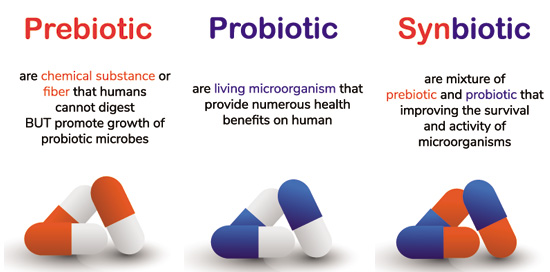
The big selling point? They have way less sugar than regular sodas. While traditional sodas pack about 35-40 grams of sugar per can, prebiotic options typically contain just 2-5 grams. They also skip high fructose corn syrup, which is linked to various health problems.
The Good Stuff
If you’re trying to kick a serious soda habit, prebiotic sodas can be a helpful stepping stone. They satisfy that fizzy, sweet craving without the sugar bomb. For someone downing multiple cans of Coke daily, switching to these drinks is definitely a win.
These sodas contain small amounts of fiber, usually from prebiotics like inulin, which feed the good bacteria in your gut. Some studies have shown prebiotics to support digestion, help with constipation, and even improve calcium absorption, which is good for your bones. There’s also some evidence that prebiotics can help with blood sugar control.
The Not-So-Good Reality
Here’s where things get a bit complicated. Most prebiotic sodas don’t pack enough prebiotic fiber in a single can to deliver meaningful gut health benefits. Take Poppi, for example. It contains about 2 grams of prebiotic fiber per can. Scientists suggest you need at least 5 grams of prebiotics daily to start seeing gut health benefits, while some research shows you’d need closer to 7.5 grams.
Because of this, Poppi faced a major lawsuit in 2024. Consumers claimed the drinks were falsely advertised as gut-healthy when the fiber content was too low to make a difference. To get enough fiber, you’d have to drink four or more cans daily, at which point the sugar intake could outweigh any potential benefits. Poppi settled the case for $8.9 million in early 2025 without admitting fault, but the lawsuit pushed many brands to rethink their marketing claims.
It’s also worth noting that not all prebiotic sodas are created equal. Some brands, like Olipop, offer closer to 9 grams of fiber per can, which is more likely to have an impact. Still, even with higher fiber content, these drinks can cause bloating, gas, or stomach discomfort, especially if you have a sensitive gut or conditions like IBS.
Another important point: emerging research in animals suggests that high doses of refined prebiotic fibers, like inulin, might pose cancer risks in certain individuals, potentially affecting liver or colon health. While this hasn’t been proven in healthy humans, it’s a reminder that isolated fibers in processed foods don’t always behave like fiber from whole fruits and vegetables.
Finally, remember that the FDA hasn’t approved most of the health claims made by prebiotic soda brands.
The Bottom Line: Are They Worth It?
Prebiotic sodas aren’t evil. They’re better than regular sodas if you’re watching your sugar intake. But they’re not miracle drinks either.
Think of them as occasional treats rather than daily health boosters. If you enjoy the taste and don’t experience digestive issues, having one now and then is fine. Just don’t expect major health transformations.
For gut health, focus on whole foods with natural prebiotics: bananas, garlic, onions, asparagus, whole grains, beans, lentils, and leafy greens. These provide fiber in its natural form, plus vitamins and minerals your body needs.
Water still reigns supreme for hydration. If you want something with flavor, try unsweetened tea or coffee. If you’re craving carbonation, plain sparkling water with a splash of juice works too.
No single product, especially one in a can with fancy marketing, can replace a balanced diet. The path to good health isn’t found in trendy beverages. It’s built through consistent, smart choices about what you eat and drink most of the time. Prebiotic sodas might have a place in your fridge, but they shouldn’t be your go-to gut health strategy.
Reference Links:
Probiotics
National Institutes of Health - Office of Dietary Supplements, Updated: March 25, 2025
Click Here for the Fact Sheet: https://ods.od.nih.gov/factsheets/Probiotics-HealthProfessional/
Recent advances in prebiotics: Classification, mechanisms, and health applications
Sajid Ali, Muhammad Hamayun, Muhammad Siraj, Sumera Afzal Khan, Ho-Youn Kim, Bokyung Lee
Future Foods, Published December 2025, 100680
Click Here for the Study: https://doi.org/10.1016/j.fufo.2025.100680
Prebiotics: Definition, Types, Sources, Mechanisms, and Clinical Applications
Dorna Davani-Davari, Manica Negahdaripour, Iman Karimzadeh, Mostafa Seifan, Milad Mohkam, Seyed Jalil Masoumi, Aydin Berenjian and Younes Ghasemi
Probiotics and Functional Foods, Published 9 March 2019
Click Here for the Study: https://doi.org/10.3390/foods8030092
A comprehensive review of probiotics and human health-current prospective and applications
Bhutada Sarita, Dahikar Samadhan, Zakir Hassan, Elena G. Kovaleva
Frontiers Microbiology, Published 05 January 2025
Click Here for the Study: https://doi.org/10.3389/fmicb.2024.1487641
The effects of prebiotic, probiotic or synbiotic supplementation on overweight/obesity indicators: an umbrella review of the trials’ meta-analyses
Niloufar Rasaei, Mohammadreza Heidari, Fataneh Esmaeili, Sepehr Khosravi, Maryam Baeeri, Ozra Tabatabaei-Malazy, Solaleh Emamgholipour
Frontiers Endocrinology, Published 19 March 2024
Click Here for the Study: https://doi.org/10.3389/fendo.2024.1277921
Link between gut microbiota and health outcomes in inulin -treated obese patients: Lessons from the Food4Gut multicenter randomized placebo-controlled trial
Sophie Hiela, ∙ Marco A. Gianfrancescob, ∙ Julie Rodrigueza, ∙ Daphnée Portheaultc ∙ Quentin Leyrollea ∙ Laure B. Bindelsa ∙ Carolina Gomes da Silveira Cauduroc ∙ Maria D.G.H. Muldersd ∙ Giorgia Zamariolae ∙ Anne-Sophie Azzif ∙ Gaetan Kalalag ∙ Barbara D. Pachikianh ∙ Camille Amadieua ∙ Audrey M. Neyrincka ∙ Audrey Loumayei ∙ Patrice D. Cania,j ∙ Nicolas Lanthierk ∙ Pierre Trefoisl ∙ Olivier Kleind ∙ Olivier Luminete ∙ Jérôme Bindelleg ∙ Nicolas Paquotb ∙ Miriam Cnopc,f ∙ Jean-Paul Thisseni ∙ Nathalie M. Delzennea
Clinical Nutrition, Published December 2020
Click Here for the Study: https://doi.org/10.1016/j.clnu.2020.04.005
Effect of consumption of chicory inulin on bowel function in healthy subjects with constipation: a randomized, double-blind, placebo-controlled trial
Antje Micka, Anne Siepelmeyer,Anja Holz, Stephan Theis & Christiane Schön
International Journal of Food Sciences and Nutrition, Published online: 05 Aug 2016
Click Here for the Study: https://doi.org/10.1080/09637486.2016.1212819
Impact of Probiotic Administration on Serum C-Reactive Protein Concentrations: Systematic Review and Meta-Analysis of Randomized Control Trials
Mohsen Mazidi, Peyman Rezaie, Gordon A. Ferns and Hassan Vatanparast
Nutrients, Published 3 January 2017
Click Here for the Study: https://doi.org/10.3390/nu9010020
Associations between dietary fiber intake and cardiovascular risk factors: An umbrella review of meta-analyses of randomized controlled trials
Lingmeng Fu, Guobing Zhang, Shasha Qian, Qin Zhang, Mingming Tan
Frontiers in Nutrition, Published 11 September 2022
Click Here for the Study: https://doi.org/10.3389/fnut.2022.972399
Effect of chicory-derived inulin-type fructans on abundance of Bifidobacterium and on bowel function: a systematic review with meta-analyses
Dávid U. Nagy, Kinga Amália Sándor-Bajusz, Blanka Bódy, Tamás Decsi, Jessica Van Harsselaar, Stephan Theis & Szimonetta Lohner
Critical Reviews in Food Science and Nutrition, Published online: 14 Jul 2022
Click Here for the Study: https://doi.org/10.1080/10408398.2022.2098246
The effects of different dietary fiber pectin structures on the gastrointestinal immune barrier: impact via gut microbiota and direct effects on immune cells
Martin Beukema, Marijke M. Faas & Paul de Vos
EMM Experimental & Molecular Medicine, Published 10 September 2020
Click Here for the Study: https://www.nature.com/articles/s12276-020-0449-2
Call for a FREE Consultation (305) 296-3434
CAUTION: Check with your doctor before
beginning any diet or exercise program.
5/7/2025
Updated 9/25/2025


