


Study Reveals Link Between Diet and Cognitive Aging
Unlocking the Memory-Boosting Powers of Flavanols
In a groundbreaking study recently published in the PNAS Journal, researchers have shed light on the potential of flavanols in combating dementia and cognitive aging. This study, which explored the link between flavanols, memory, and diet quality, offers hope for those concerned about the decline in mental abilities associated with aging.
Cognitive aging, the gradual deterioration of cognitive functions like memory, attention, processing speed, reasoning, and problem-solving in older adults, is a significant concern for many individuals. While diseases such as Alzheimer's and dementia are often associated with mental decline, cognitive aging can occur independently of these conditions.
Researchers focused on flavanols, bioactive compounds found in many foods, including apples, tea, berries, cocoa, grapes, and vegetables. Previous studies have suggested that flavanol consumption can enhance hippocampal-dependent memory, one of the key components affected by cognitive aging. Flavanols have also been shown to promote angiogenesis, forming new blood vessels, which may help slow mental decline.
To investigate the potential benefits of flavanols on memory, more than 3,500 healthy older adults, men over 60 and women over 65 received either a daily flavanol supplement (in pill form) or a placebo pill. The study was conducted over three years. The active supplement had 500 mg of flavanols, including 80 mg of epicatechins, the amount that adults are supposed to get from food.
The study's primary outcome measure was the Modified Rey Auditory Verbal Learning Test (ModRey), a cognitive test designed to assess memory. The secondary analyses explored how baseline diet quality influenced the effects of flavanol supplementation on memory. Additionally, the researchers examined the impact of flavanols on the prefrontal cortex, a brain region associated with executive functions, using the Flanker test.
The study revealed a compelling relationship between flavanol consumption, diet quality, and memory. Chronic flavanol consumption and higher baseline diet quality were positively correlated with hippocampal-dependent memory.
In other words, regularly consuming flavanols and having a better diet were linked to improved memory. As flavanol biomarkers increased during the study, memories improved.
Significant memory enhancements were observed among participants that started with lower habitual flavanol consumption and diet quality. Participants who started with the highest flavanol levels saw the least improvement. These improvements persisted throughout the three-year follow-up period. Interestingly, the impact of diet quality was more pronounced on the hippocampal component of cognitive aging rather than the prefrontal cortex.
This study provides compelling evidence supporting the beneficial effects of flavanols on cognitive aging, specifically memory related to the hippocampus. The findings underscore the importance of including flavanol-rich foods in our diets to promote brain health and function. By making conscious dietary choices, individuals may be able to safeguard their cognitive abilities as they age.
It is worth noting that this study represents a significant step forward in our understanding of the relationship between diet, flavanols, and cognitive aging. However, further research is needed to fully understand the mechanisms underlying these associations. Researchers must still learn the optimal dosage and how long flavanol supplementation should last for the best results.
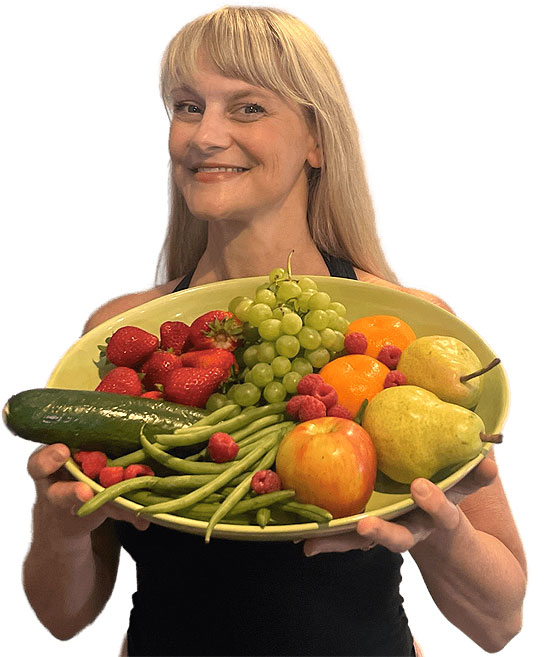
Public health initiatives should consider incorporating dietary recommendations that emphasize eating and drinking flavanol-rich foods. Apples, tea, berries, cocoa, grapes, and vegetables should find their way onto our plates more frequently, offering a delicious and accessible strategy to support brain health.
Additionally, healthcare providers should educate patients, especially older adults, about the potential benefits of a flavanol-rich diet. By highlighting the connection between diet quality and cognitive aging, individuals can make informed choices to optimize their brain health.
It is essential to note that a flavanol-rich diet should be viewed as part of a holistic approach to healthy aging. Do not underestimate the power of your daily choices. Each meal offers an opportunity to nourish your body and your mind. Regular physical activity, social engagement, mental stimulation, and other lifestyle factors all play integral roles in maintaining cognitive function.
While the study's findings are undoubtedly exciting, they are not a panacea. Cognitive aging is a complex process influenced by numerous genetic and environmental factors. By recognizing the role of diet in mental health, you have the ability and knowledge to take proactive steps in maintaining your cognitive abilities.
Reference Link:
Dietary flavanols restore hippocampal-dependent memory in older adults with lower diet quality and lower habitual flavanol consumption
Adam M. Brickman, Lok-Kin Yeung, Daniel M. Alschuler, and Scott A. Small
Proceedings of the National Academy of Sciences (PNAS), Published May 30, 2023, 120 (23) e2216932120 https://doi.org/10.1073/pnas.2216932120
Call for a FREE Consultation (305) 296-3434
CAUTION: Check with your doctor before
beginning any diet or exercise program.
6/5/2023


