


Bone Broth and Chlorophyll Drops Debunked
Your grandmother probably never spent $40 on green drops or believed a cup of boiled bones could erase her knee pain. Yet here we are in 2026, where a 15-second TikTok video can turn kitchen scraps into a multimillion-dollar “superfood” business faster than you can say “$40 green water.”
Two products have led the charge lately. Bone broth is marketed as an ancient elixir promising to fix joints, skin, your gut, and even your mood. Chlorophyll drops are the bright green water that influencers swear will “detox” and clear your skin. Both have massive followings, sold-out shelves, and slick marketing. But these trends succeed because they promise shortcuts to problems that require patience. It’s easier to buy green drops than to eat salad every day for six months.

Bone Broth: It’s comforting, but not curing.
Bone broth is essentially stock that’s simmered for a long time to extract protein, amino acids, and minerals. A cup typically has 8 to 10 grams of protein, some calcium, magnesium, phosphorus, and amino acids like glycine and glutamine.
Some fans swear it helps with gut health and joint comfort. But here’s the nuance. Most research is either from animal studies or on isolated compounds like collagen, often in doses much higher than you’d get in a cup of broth.
The biggest myth surrounds collagen. Your stomach doesn’t care if you paid $15 for bone broth or ate a chicken breast. It breaks all protein down into basic building blocks and sends them wherever your body needs them most. Your knees don’t get priority shipping. There’s small but real evidence from collagen supplements that they might help keep joints comfortable and skin slightly more elastic, but the effect is gentle, not miraculous.
Too much sodium is one of the downsides. Some store-bought broths pack in 20% or more of your daily salt limit per cup. Lead is also concerning. A few studies have found higher lead levels in broth than in the cooking water, since bones can store heavy metals. For most people drinking it occasionally, levels are below safety limits, but regular high-volume drinkers might want to choose reputable brands or vary their protein sources.
Bottom line: Bone broth is nourishing, hydrating, and soothing. It’s a nice way to get extra protein without heavy calories. But it’s not a shortcut to reversing aging or curing chronic pain.
Chlorophyll Drops: Expensive green water.
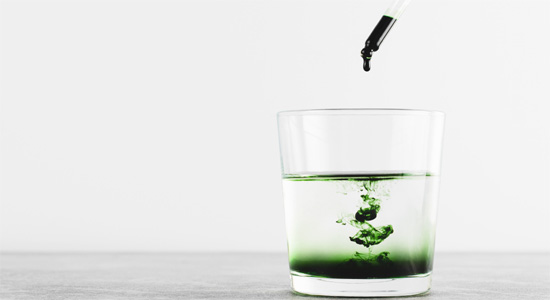
Here’s the unfiltered truth about chlorophyll drops. They’re the perfect example of how TikTok turned pond scum into profit. Those expensive green drops aren’t pure chlorophyll from plants. They’re usually chlorophyllin, a semi-synthetic, water-soluble derivative. It’s like buying “organic” processed food that’s technically derived from something natural, but heavily modified in a lab.
Most chlorophyll supplements contain about 100mg per serving, roughly what you’d get from four cups of spinach. But spinach also gives you fiber, folate, iron, and dozens of other compounds. Chlorophyll drops give you green water.
The marketing promises clearer skin, body detox, better digestion, and more energy. The evidence tells a different story. Limited small studies (often with topical use) suggest chlorophyllin may help mild acne or wound healing. Drinking it hasn’t been proven to have the same effect. There’s some older research showing it can help with specific body or breath odors, but the detox claims are pure myth. Your liver and kidneys already detox naturally. No supplement “flushes” your body better than they do.
Bottom line: Harmless for most in moderation, but expensive compared to the vegetables that actually contain meaningful nutrition.
These products aren’t deadly snake oil, but they’re also not the magic elixirs the marketing suggests. Think of these trends as the health world’s fidget spinners. They’re viral for a moment, but ultimately unnecessary. Bone broth can be a cozy, protein-rich snack. Chlorophyll drops can make your water look Instagram-ready. Neither will overhaul your health.
If your goal is better skin, joints, digestion, and energy, the boring basics still win. Eat a variety of vegetables, get enough sleep, move your body often, and drink enough water. Your grandmother’s vegetables have been delivering results for decades, and they cost a fraction of the price. Trends burn bright and fade fast, but solid habits last a lifetime.
Call for a FREE Consultation (305) 296-3434
CAUTION: Check with your doctor before
beginning any diet or exercise program.
8/13/2025
Updated 1/1/2026


