


From Alcohol to Sugar: The Surging Epidemic of Fatty Liver Disease
By Leigh Pujado and Daniel Reynen
Non-alcoholic fatty liver disease (NAFLD) has become a major global health crisis over the past three decades. Unlike liver diseases linked with alcohol consumption, NAFLD arises due to factors unrelated to alcohol. It is triggered by the overconsumption of fructose, a type of sugar commonly found in sugary beverages and high-sugar diets. That causes the accumulation of excess fat in the liver, leading to liver dysfunction and, in severe cases, irreversible damage.
While initially symptomless, it can progress to more severe conditions, such as liver cirrhosis and failure. Shockingly, NAFLD affects approximately 25% of the global population and a staggering 100 million people in the United States alone.
The Fructose-Fat Connection: When people eat or drink a lot of fructose from sugary beverages and high-sugar diets, the process of de novo lipogenesis (DNL) goes into overdrive, flooding the liver with more fat than it can handle. This fat surplus leads to lipid deposit formation, impairing liver function over time.
In the early 20th century, only alcoholics were affected by fatty liver diseases. However, with the rise of processed foods and sugary drinks, especially those containing high fructose corn syrup, non-alcoholic fatty liver disease found a new host.
Research shows that between 1977 and 2010, the amount of sugar consumed by American adults increased by more than 30%. Then between 2010 and 2023, it grew another 10%.
On average, American adults consume about 17 teaspoons of added sugar every day. That's two times the recommended amount for men and three times the recommended amount for women. To put it into perspective, that's six 10-pound bowling balls of added sugar a year!
The prevalence of NAFLD is not limited to a specific region or population. It affects people worldwide, with the highest incidence in Latinos and rapid growth in Western Europe, the Middle East, and East Asia. The surge in NAFLD cases has paralleled the rise in fructose consumption, particularly from sugar-sweetened beverages and processed foods.
The consequences of NAFLD extend far beyond the liver. This condition is closely linked to type 2 diabetes, with up to 75% of people with type 2 diabetes believed to have NAFLD. Additionally, NAFLD increases the risk of chronic kidney disease, hepatocellular carcinoma, and cardiovascular disease when occurring alongside type 2 diabetes.
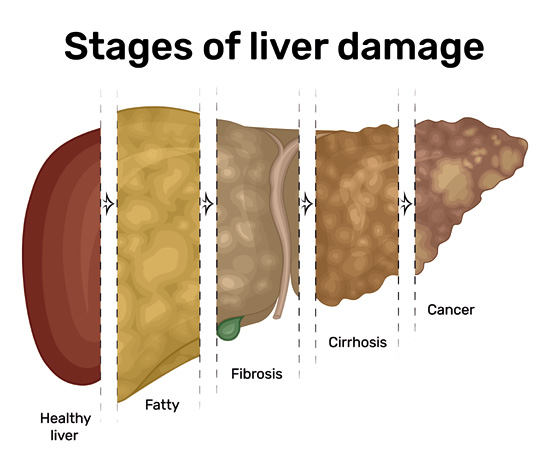
Fighting against NAFLD requires a multifaceted approach addressing its root causes and promoting healthier lifestyles. Here are some effective strategies:
1. Reduce Sugar Consumption: Cutting down on sugary beverages and processed foods is essential. Raising awareness about the detrimental effects of excessive fructose consumption can help individuals make informed diet choices.
2. Embrace Healthy Eating Habits: Adopting a Mediterranean-style diet, rich in healthy fats and low in refined sugars, has shown promise in preventing and managing NAFLD. This dietary approach promotes liver health while reducing inflammation and fat accumulation.
3. Implement Time-Restricted Eating (TRE): TRE, a practice that limits eating to specific time windows, has emerged as a powerful tool for improving metabolic health. Studies indicate that TRE can help the body burn off excess liver fat and reduce overall fat accumulation.
4. Explore Medical Interventions: When dietary changes fail, medications like metformin and glucagon-like peptide-1 (GLP-1) agonists are currently being used to treat NAFLD. There are notably serious side effects with GLP-1 agonists and the drug is not appropriate for everyone. Some drugs target the DNL pathway to inhibit excessive fat production, while antioxidants are being investigated for their ability to reduce liver fat and inflammation.
5. Promote Public Health Initiatives: Governments can play a pivotal role in curbing NAFLD by implementing sugar taxes and ending food subsidies for unhealthy processed products. In 2018 the United States government gave out approximately $4 billion in sugar subsidies. If we cared about people's health, we should discourage sugar consumption and incentivize healthier dietary choices.
Non-Alcoholic Fatty Liver Disease has transformed into a silent epidemic, stealthily affecting millions of lives globally. By combining individual efforts to make healthier lifestyle choices with comprehensive public health initiatives, we can take a significant step forward in defeating NAFLD.
Call for a FREE Consultation (305) 296-3434
CAUTION: Check with your doctor before
beginning any diet or exercise program.
8/5/2023


